
Trust the Compass, Frame the Summit
Step into a slower, surer approach to the mountains, where paper maps guide every decision and mechanical shutters preserve thin-air moments. Today we explore analog navigation and film photography for mountain treks, uniting classic fieldcraft, safety discipline, and artful seeing to shape unforgettable journeys and images.
Reading the Land: Map and Compass Confidence
Contours whisper slope angle and risk; streams, saddles, and spurs reveal corridors and traps. We break bearings into simple steps, adjust for declination without hesitation, and check progress with deliberate pacing. Expect practical drills, memorable mnemonics, and a gentle push to trust your preparation when fog swallows cairns and footsteps feel uncertain.
Contour Lines as Conversations
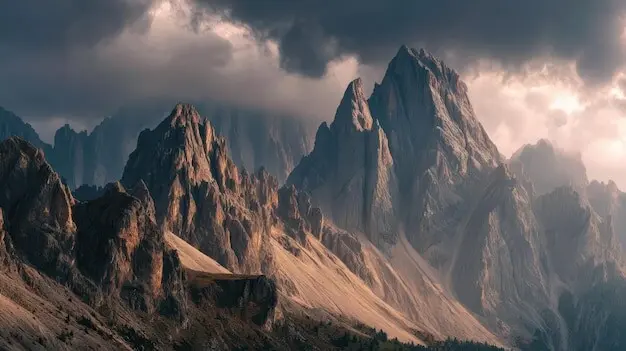
Treat each line as a sentence describing effort and danger: tight spacing signals punishment, wide spacing offers breath. Trace ridges like paragraphs, noting cliff bands, benches, and avalanche paths. Fold the map often, align features to reality, and confirm every identification with at least two independent cues.
Magnetic Declination Made Practical
Stop memorizing abstract numbers; anchor adjustments to a repeatable ritual. Write the local value on your map edge, draw a declination grid, and practice converting bearings both ways until muscle memory replaces math anxiety. In whiteouts, this quiet certainty preserves energy, time, and precious morale.
Pacing, Timing, and Handrails
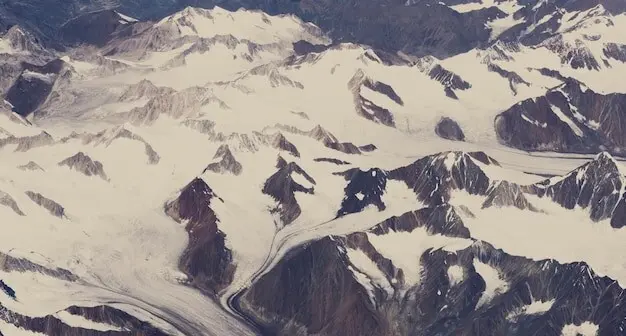
Count steps between landmarks, log minutes per contour band, and let streams, ridges, and treelines serve as reliable handrails. These analog crosschecks expose drift early, preventing big errors. Share your best pacing trick with our community, and test someone else’s method on your next training hike.
Selecting a Dependable Film Camera for High Trails
A tool you can operate with gloves, in wind, and half-asleep at sunrise beats feature lists every time. We weigh shutters, seals, and viewfinders against grams and complexity. Lens choice, simple controls, and predictable metering or fully mechanical operation matter most when storms rearrange your plans without notice.
Consider bodies with purely mechanical shutters and bright, uncluttered finders. A reliable mirror or coupled rangefinder that shrugs off frost expands your shooting window dramatically. Share cleaning routines, spare part kits, and cold-weather lubricants that have saved you far from roads when brittle plastic failed silently.
A pocketable camera clipped to a pack strap captures fleeting alpenglow your big kit would miss. Prioritize tactile controls, a trustworthy meter, and a quiet advance that respects wildlife. Evaluate strap systems, quick-draw pouches, and glove-friendly shutters during shakedown hikes before committing to longer, consequential objectives.
Sometimes the scene demands negative area and tonal subtlety that only larger frames offer. If the route is modest, consider a weather-tolerant system with simple lenses and dependable film transport. Practice loading in the wind, and pre-set exposure so decisive moments survive impatience and frozen fingertips.
Metering Without Batteries and Mastering Alpine Light
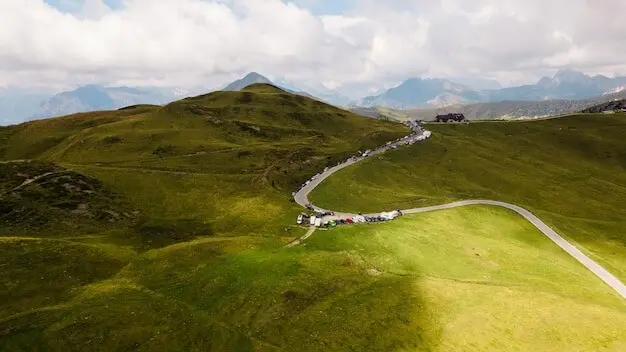
High snowfields trick meters and eyes alike. Learn to read light by feel using Sunny 16 variations, shadow density, and surface glare, then compare occasionally with a handheld meter for calibration. Carry one reliable rule, repeat it relentlessly, and bracket only when storytelling, conditions, and time truly justify the trade.
Protecting Gear, Film, and Fingers in Brutal Conditions
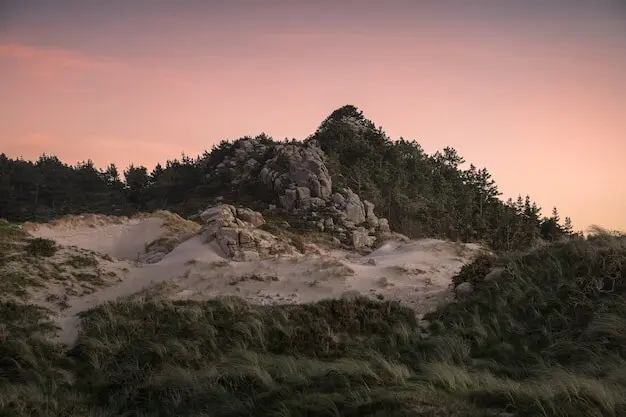
Cold steals voltage, moisture invites fungus, and numb hands drop precious tools. Build routines that guard cameras and skin alike: desiccant packets, smart insulation, and patient warming cycles. Share your pack layout, lens cloth stash points, and emergency mittens, then borrow clever tricks from fellow readers for your next ascent.
Cold, Condensation, and Careful Warm-ups
Move cameras from freezing air into sealed bags before entering huts or cars. Let them warm slowly, swap batteries only after acclimatization, and keep silica gel rotating. A calm ritual prevents fogged optics, corroded contacts, and panicked mistakes when fast-changing light begs for a single confident frame.
Dust, Rain, and Mechanical Reliability
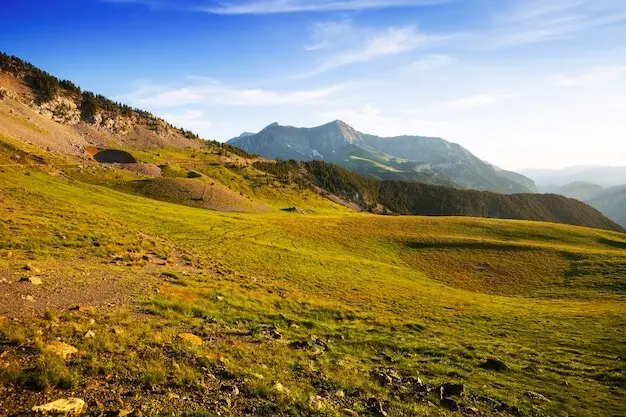
Gravelly wind and surprise showers test patience and mechanisms. Favor simple designs with covered shutters, gasketed backs, and dependable latches. Stow a soft brush, blower, and microfiber in a zip pouch. Clean at rest stops, never in gusts, and celebrate every click that resists grit while spirits stay high.
Composing Stories Above Treeline
Lead with Foreground, Layer the Distance
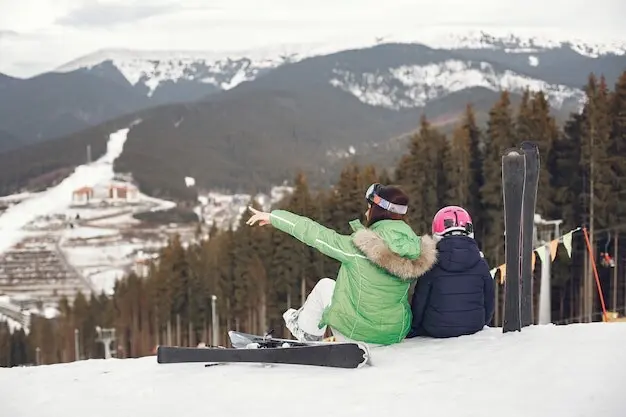
Place frost-laced grass, granite, or a boot print near the lens to anchor perspective, then step carefully to balance midground ridges and far peaks. Reframe until lines flow without clutter. Remember to breathe steadily; inhalations rock tripods and transform crisp plans into melancholy blur.
Human Scale and Honest Emotion
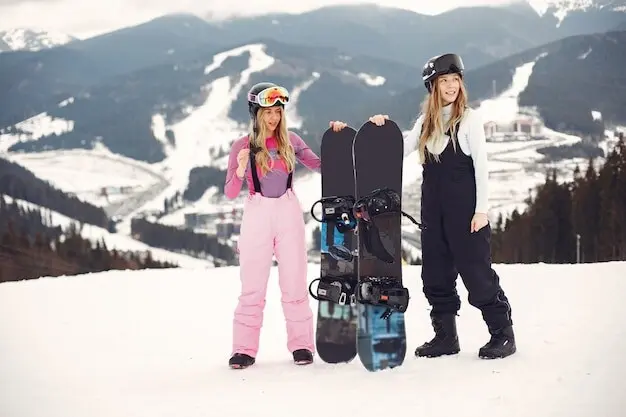
A silhouetted partner on a knife-edge ridge communicates risk and wonder more clearly than endless empty scenery. Ask for a pause, exchange a glance, and meter quickly. Keep faces turned toward light, but let wind-tousled hair, laughter, or shivering tell the truer, enduring story.

When Weather Turns: Mood over Perfection
Spindrift, sleet, and brooding skies invite slower shutters and expressive blur. Accept droplet stars on filters, push exposure for shadows, and protect highlights like lifelines. These frames carry memory’s temperature. Share your favorite storm-born negative, and we will feature field notes alongside practical takeaways in a future dispatch.
Route Planning, Safety Margins, and Decision Points
Pre-dawn Briefing and Bailout Logic
Before headlamps click off, confirm bearings, distances, and weather windows. Choose at least two safe exits and define triggers that send you toward them. Write triggers directly on the map. Clarity in the dark reduces bravado, limits groupthink, and frees attention for measured steps and meaningful frames.
Dead Reckoning that Actually Works
Compensate for wind drift and sidehilling by updating bearing, pace, and elapsed time every interval. Sketch a mini cross-section as you ascend, predicting when terrain should change underfoot. This disciplined loop turns unknown ground into manageable segments, conserving energy and protecting confidence when features momentarily disappear.
Notes, Sketches, and Memory Anchors
Carry a small, weatherproof notebook and draw crude outlines of passes, cairns, and couloirs. Record exposure settings beside grid references, building anchors that tie images to moments. Later, these scribbles restore context, inform edits, and help others follow safely where your boot prints once froze.
All Rights Reserved.